Our mission is to improve the mental health of climate and environmental journalists, their sources, and their audiences. We offer trainings on trauma-informed climate journalism, self-help tools, and craft. We support a climate media ecosystem that centers emotions of reporters and editors, sources and readers.
The problem
Climate and environmental journalists are often first responders during breaking news disasters. Newsroom culture and traditional media ethics tell them to put their feelings aside and get the story done, no matter the cost to their mental health. This has led to flawed climate coverage—focused on doom rather than agency—that is often disconnected from what communities need and want. As a result, many communities have turned away from climate news altogether because they don’t see themselves accurately reflected in those stories and because the topic triggers fear and anxiety. Journalists suffer when their audiences tune out. The industry does, too.
The solution
CARES wants to see journalists on the environment and climate beat who are healthy and committed for the long haul. Journalists who have learned to identify what tools help them take care of themselves when they’re feeling burnt out and who have learned how to advocate for themselves in the newsroom. Journalists who are sensitive to the emotions of their readers and sources, too. Through newsroom trainings, reader town halls, and peer-to-peer counseling, CARES hopes to foster a new model of community-centered journalism that addresses the mental health crises climate change triggers in three key groups: journalists, sources, and audiences.
Vision
We envision imbuing newsrooms with a richer understanding of trauma-informed journalism to improve the mental outcomes of not only their staff and freelance climate journalists, but also the affected communities they serve.
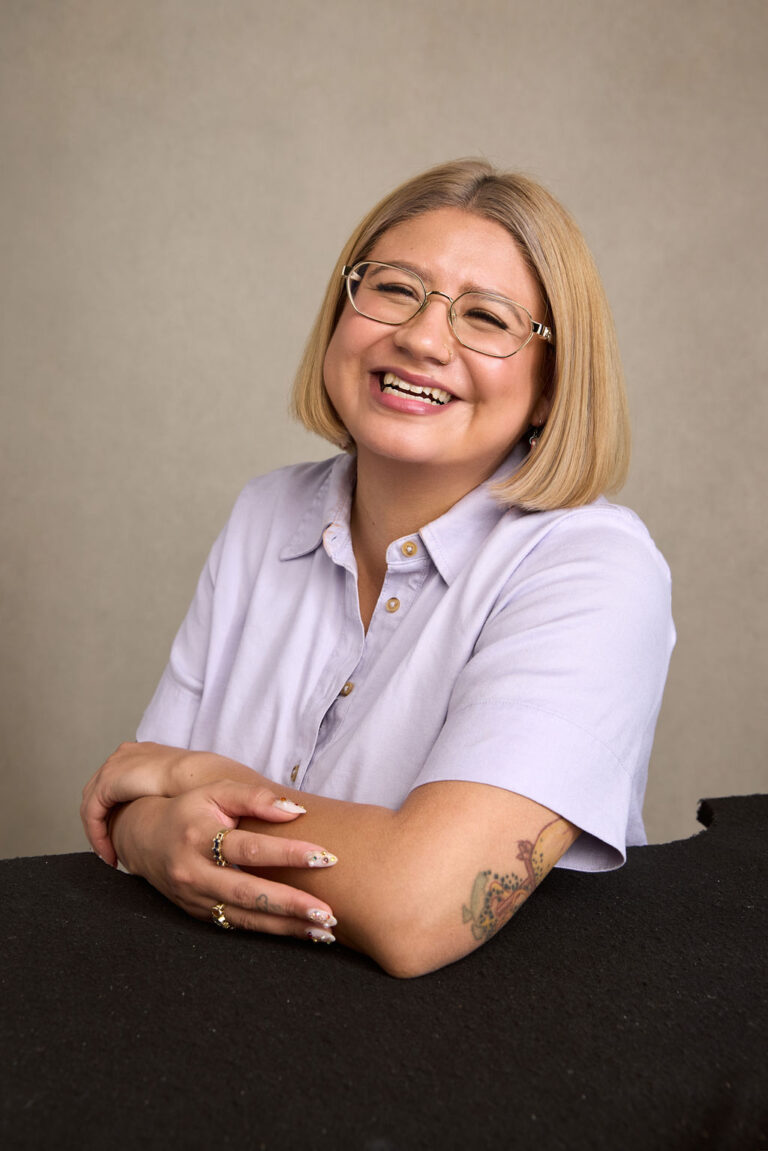
Yessenia Funes is a journalist with over 10 years of experience covering environmental issues through the lens of the most oppressed. She takes a heart-centered approach to her work, where she strives to be intentional about the emotional layers of her writing. Her reporting has taken her to the West Bank, Nicaragua, Brazil, and Malawi. She has been published in Vogue, Vox, Yale Climate Connections, National Geographic, Bloomberg, and more. She publishes a weekly creative climate newsletter called Possibilities.
She writes a regular column for the Society of Environmental Journalists and is a founding member of the Uproot Project, which serves environmental journalists of color.
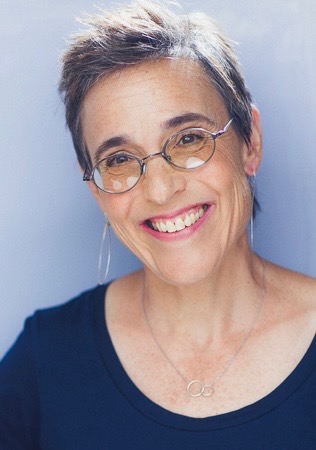
Rebecca Weston, JD LCSW, lives in Brooklyn and is a practicing clinician and co-executive director of the Climate Psychology Alliance of North America. She has helped guide the organization from a small clinical group to one that now includes over 750 clinicians seeking to resource their insight and skills in service of the climate movement and front and fence line climate communities and impacted professions. She speaks frequently about the psychological and mental health aspects of the climate crisis, trauma-informed climate journalism, and more recently, the relationship between climate change and authoritarianism. In her clinical practice, her focus is on attachment and trauma, and her work is informed by a recognition that our sense of self, connection, and agency are powerfully influenced by both internal and systemic aspects of our lives.
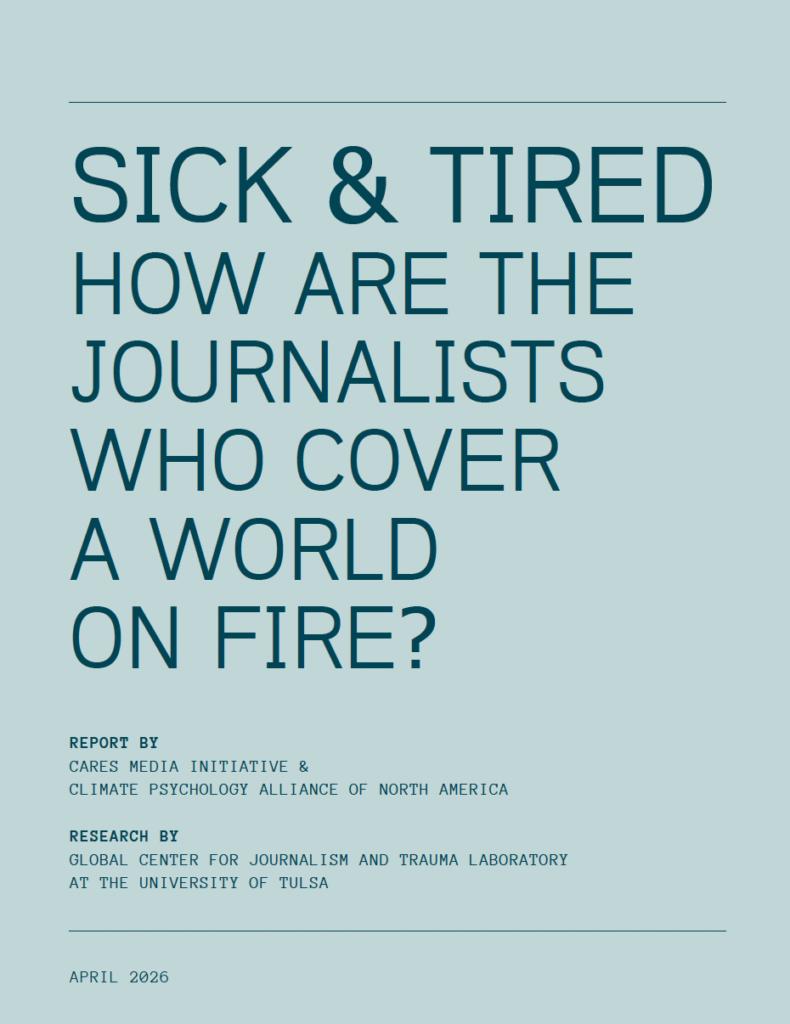
CARES Media Survey 2026
We set out to launch the CARES Media Initiative three years ago with a single goal: to address the layered mental health impacts of U.S. climate journalism for journalists, sources, and audiences. We started offering basic trainings to give journalists the language to understand what’s happening not only in their bodies and minds when they’re exposed to trauma, but also that of their sources and readers. However, we knew the field needed more—so we asked the people who
know best. We asked journalists.
This year-long survey is the result. We are excited to share the results with you all. We are not alone in this work. Other researchers are similarly trying to understand the scope of these impacts worldwide. We are proud to be in such company as we offer our own insights.
Yessenia Funes & Rebecca Weston
CARES Media Initiative Co-Founders
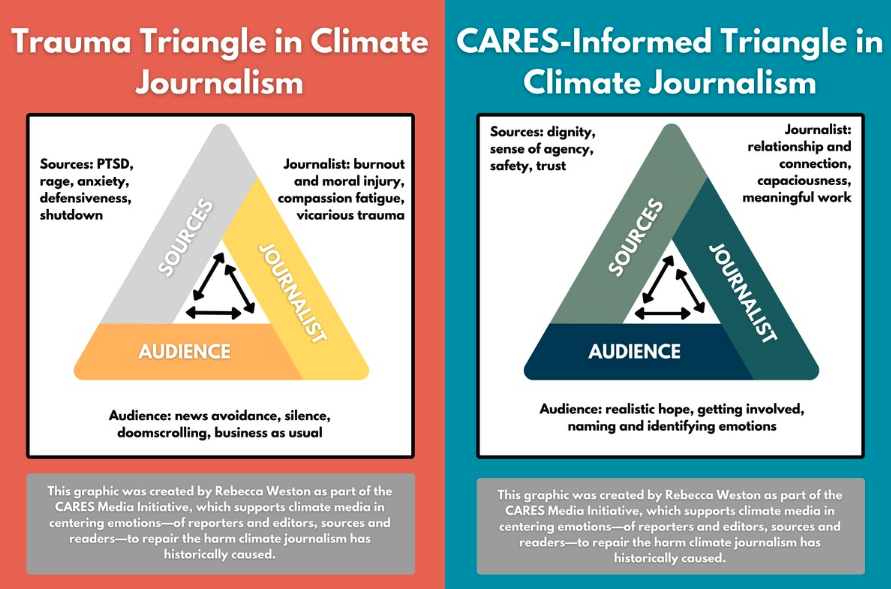
Created by Rebecca Weston
Meet our Collaborators
David Bornstein, Ethan Brown, Justin Cook, Jordan Gass-Poore’, Anna Hiatt, Lagipoiva Cherelle Jackson, Aparna Mukherjee, Sofia Prado Huggins, Lucia Pricelac, Kate Schapira, and Fara Warner
Want to reach out? We speak to journalists and offer presentations.